General Contractor in the Hudson Valley, NY.
P.A.S Design Build serves as the general contractor on residential projects across Ulster County and the Hudson Valley — managing permits, coordinating trades, controlling quality, and keeping the project on schedule from start to finish. Whether you're renovating an older home, adding on, or building new, you get one accountable team on-site through every phase.
GENERAL CONTRACTOR •TRADE COORDINATION SCHEDULING • PERMITS + INSPECTIONS •RENOVATIONS + NEW CONSTRUCTION •ULSTER COUNTY + HUDSON VALLEY • FAMILY-RUN STUDIO

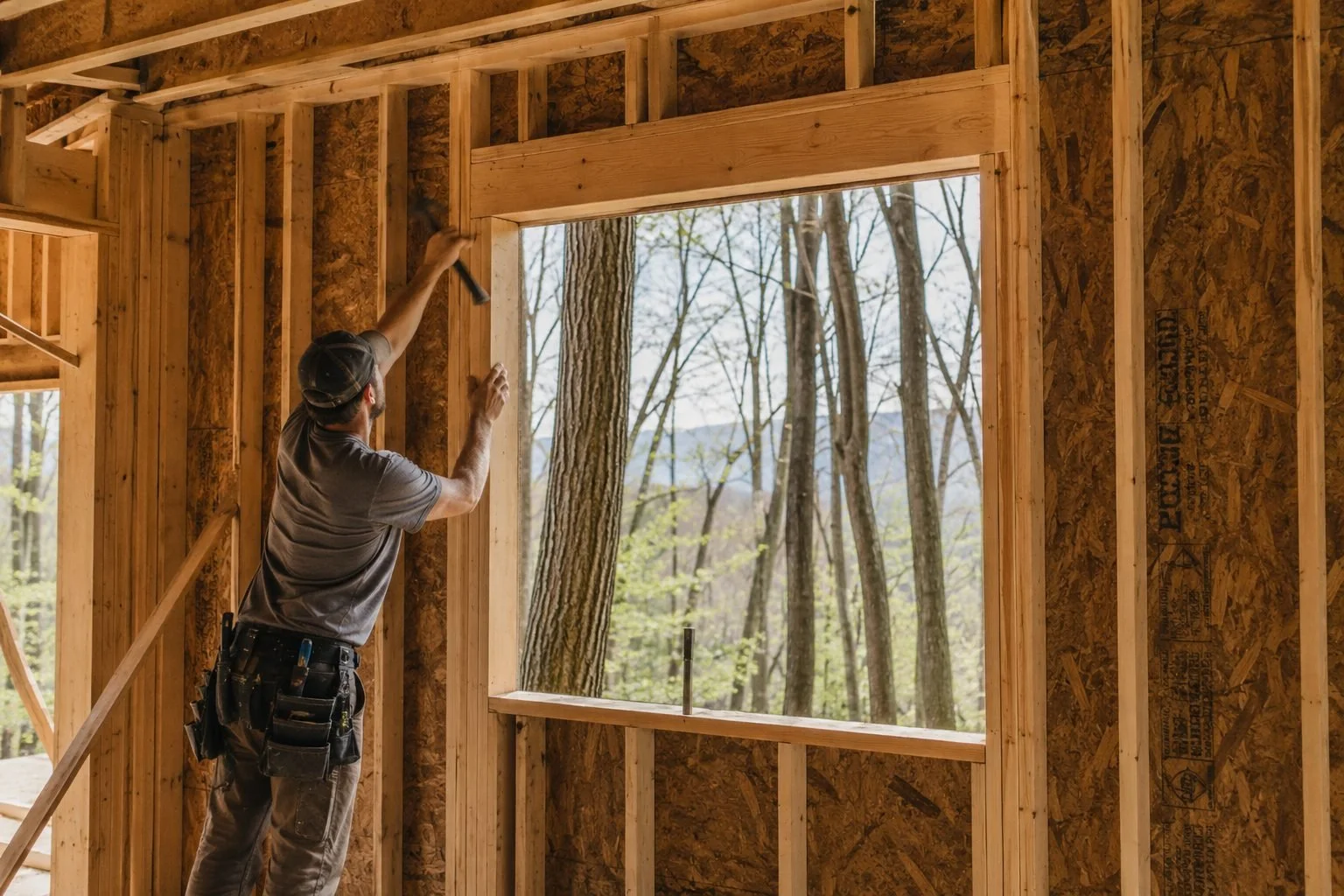
One Point of Contact. Every Trade. Every Phase.
What a General Contractor Actually Does…
A general contractor is the person — or firm — responsible for getting a construction project built. That means pulling permits, hiring and scheduling subcontractors, managing the day-to-day on-site work, holding quality, and communicating with you when decisions need to be made. The GC is the one accountable if something goes wrong, and the one who coordinates when multiple trades have to work in sequence.
On paper, homeowners can hire trades directly and manage that coordination themselves. In practice, most find it costs more time and money than it saves. Plumbers schedule around framers. Electricians wait on inspections. A late delivery pushes three other trades back two weeks. Managing that sequence well is what a general contractor is for.
At P.A.S, we bring an additional layer to that role. As a design-build firm, we've designed and built many of the projects we manage. When we're serving as GC on a project that already has plans, we read them the way a builder reads them — looking at what's constructible, what will require field coordination, and where the drawings leave gaps before construction starts.
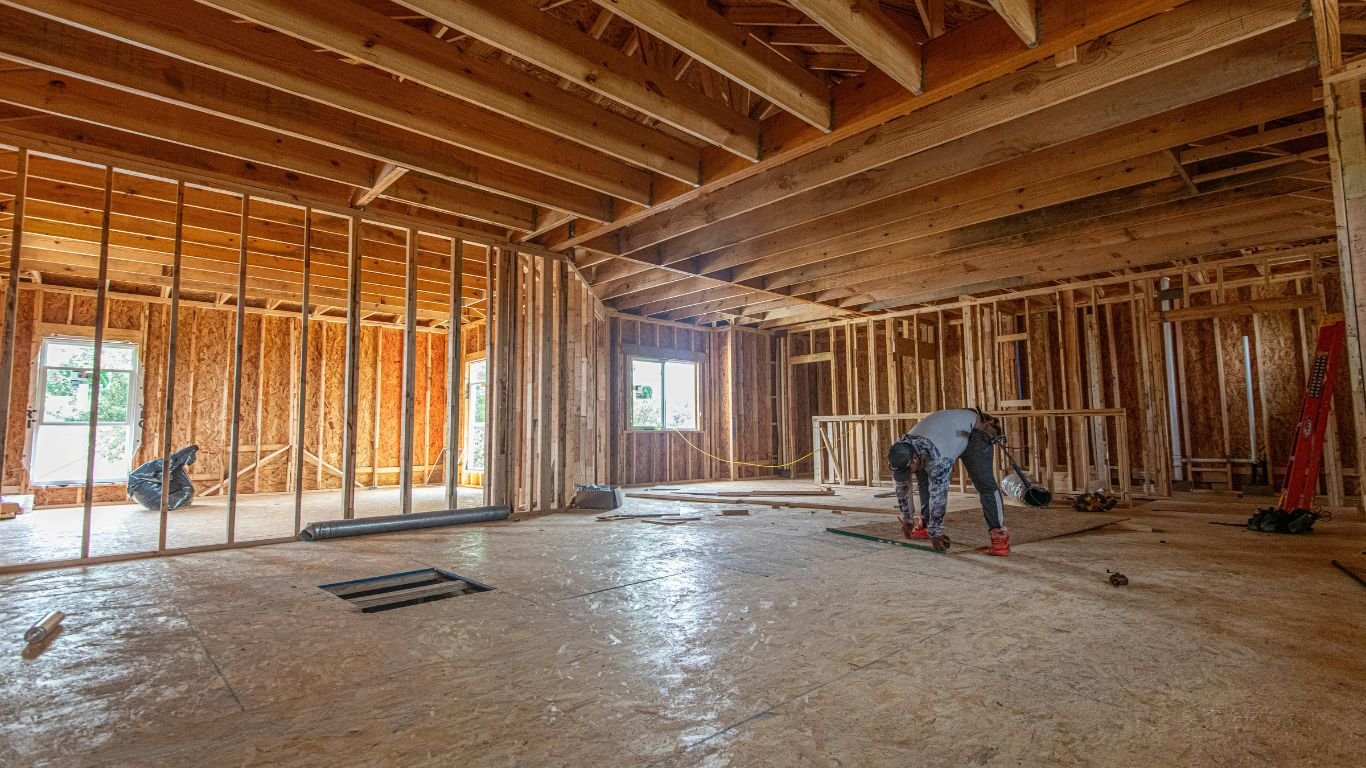
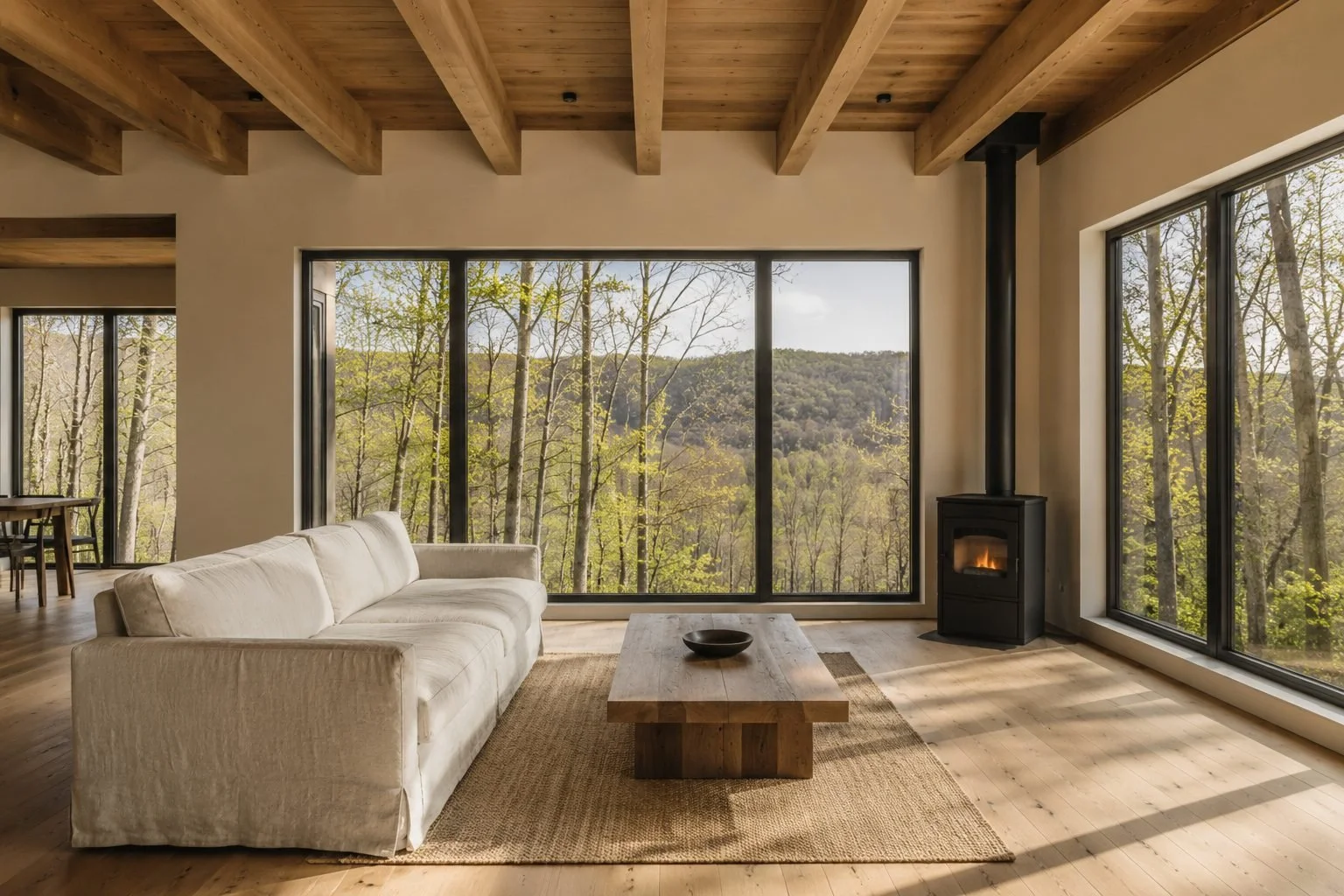
Hudson Valley Means 25 Building Jurisdictions
Ulster County alone has 25 separate municipal building departments, each with its own permit fee schedules, inspection protocols, code interpretations, and processing timelines. What gets approved in one town doesn't always translate cleanly to the next. A project in Woodstock gets handled differently than one in Rosendale, Stone Ridge, or Kingston.
We've worked with building departments across the county. We know which municipalities run their permits through a third-party code enforcement office, which ones require in-person pre-application meetings, and what level of documentation each expects with a set of drawings. That familiarity saves weeks on most projects — and saves you from having to learn it the hard way.
What Every General Contracting Project Includes
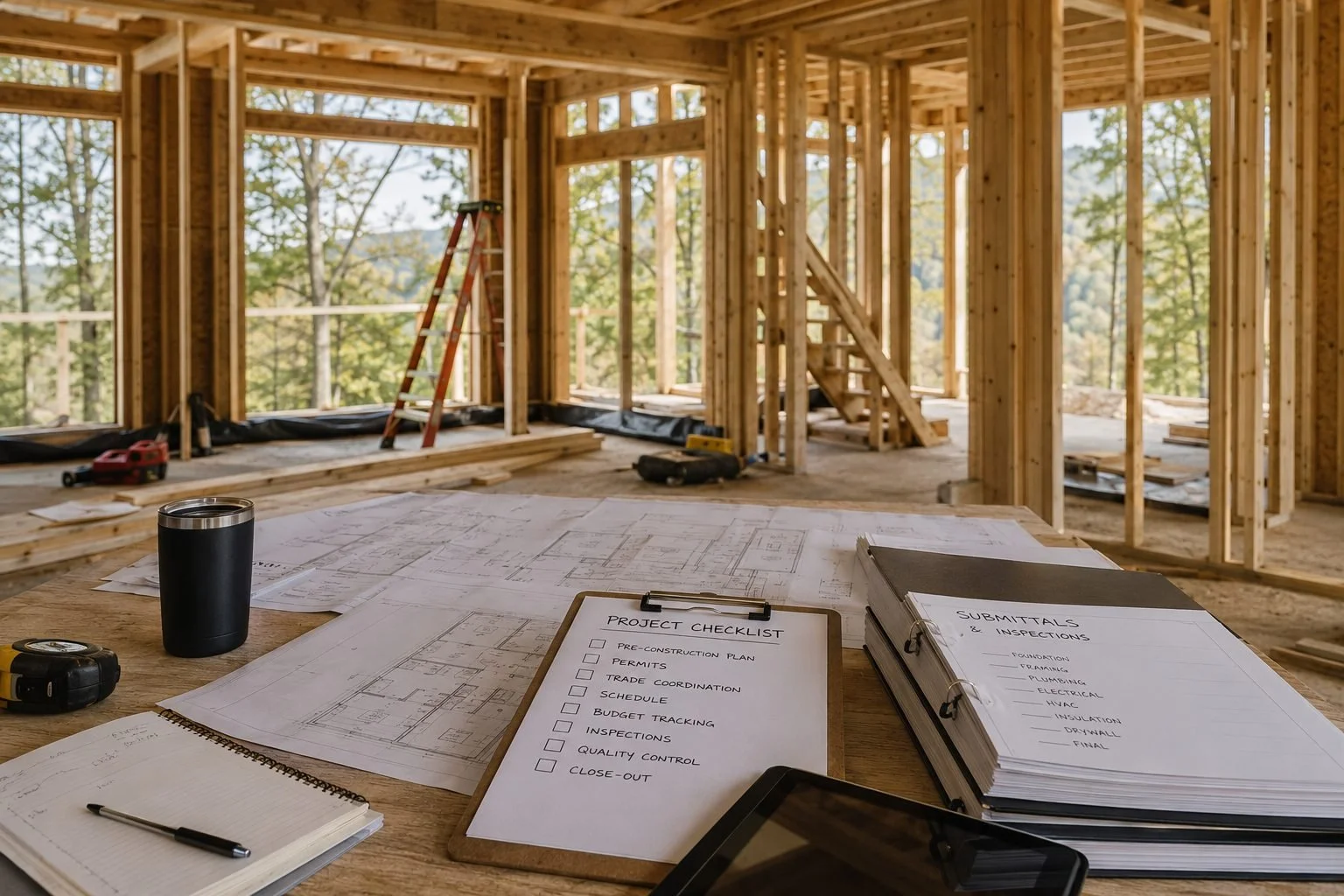
Built With Planning, Accountability, and On-Site Control
A successful general contracting project depends on more than hiring the right trades. It requires clear planning before construction starts, steady coordination once work is underway, and someone accountable for quality, schedule, budget, permits, inspections, and close-out. At P.A.S Design Build, we manage the moving parts so the project stays organized from pre-construction through final paperwork.
What Every General Contracting Build Includes:
-
Before a shovel goes in the ground, we review existing drawings, assess site conditions, coordinate with engineers, and build out a trade sequence and project schedule. Front-loading this work is how the build phase stays organized.
-
We pull all required building permits and manage the full inspection process through each municipality. We handle scheduling, documentation, and any corrections that come out of required inspections. You don't have to track what's been filed, what's pending, or what needs to be submitted next.
-
We work with a vetted network of licensed subcontractors — framers, plumbers, electricians, HVAC mechanics, insulators, finish carpenters, and more. We schedule them in sequence, coordinate hand-offs between trades, and hold them to quality and timeline commitments on your behalf.
-
We track costs throughout the project and communicate proactively when something in the field affects the budget. Change orders are documented clearly. You're never surprised by a bill you didn't know was coming.
-
We're on-site regularly throughout the build — not just at key milestones. We check framing before insulation goes in. We verify rough-in before walls close. We hold standards at each phase so problems are caught before they're buried.
-
Final inspections, punch list, Certificate of Occupancy if required, and close-out documentation are all part of project delivery. The project isn't done until the paperwork is done.
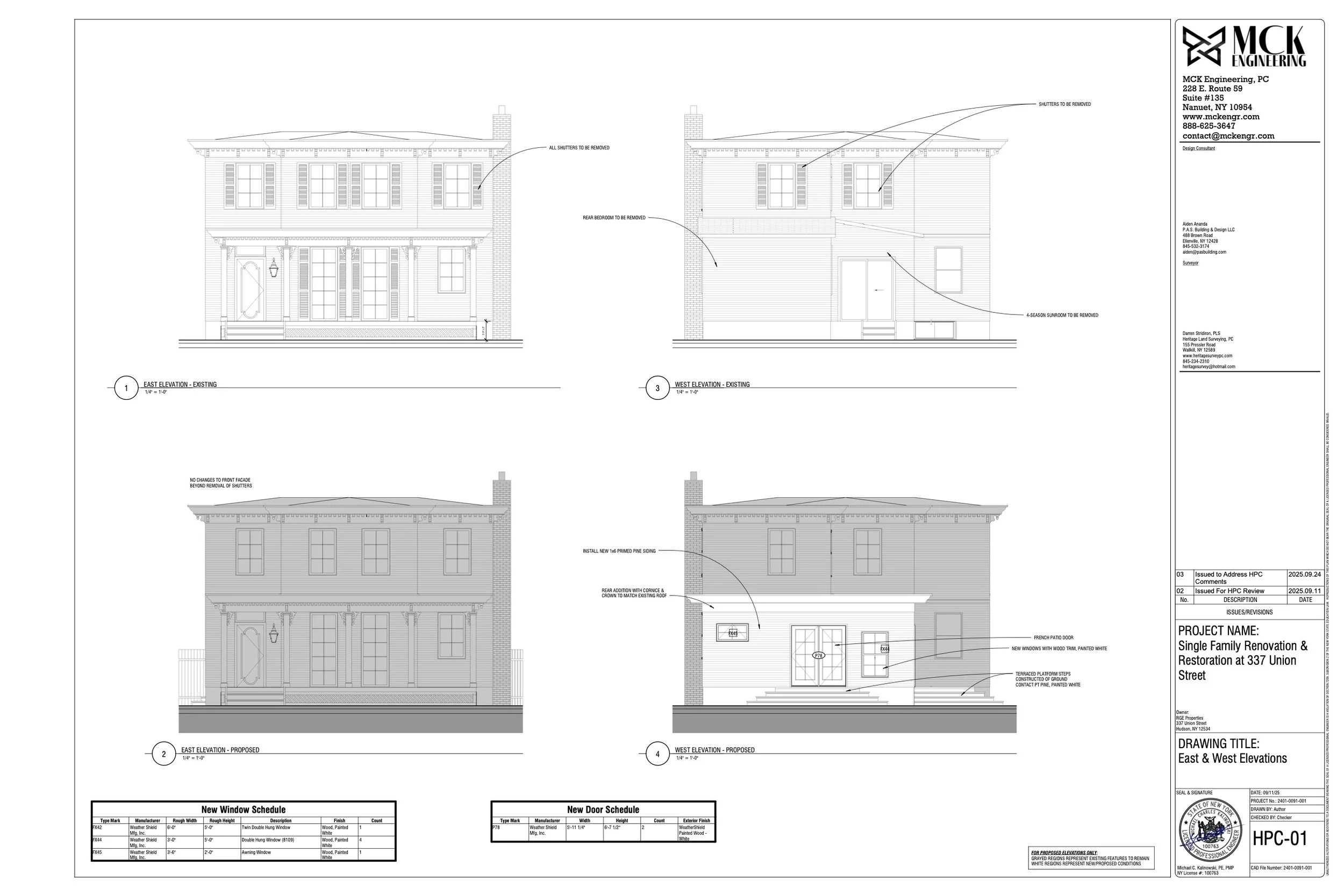
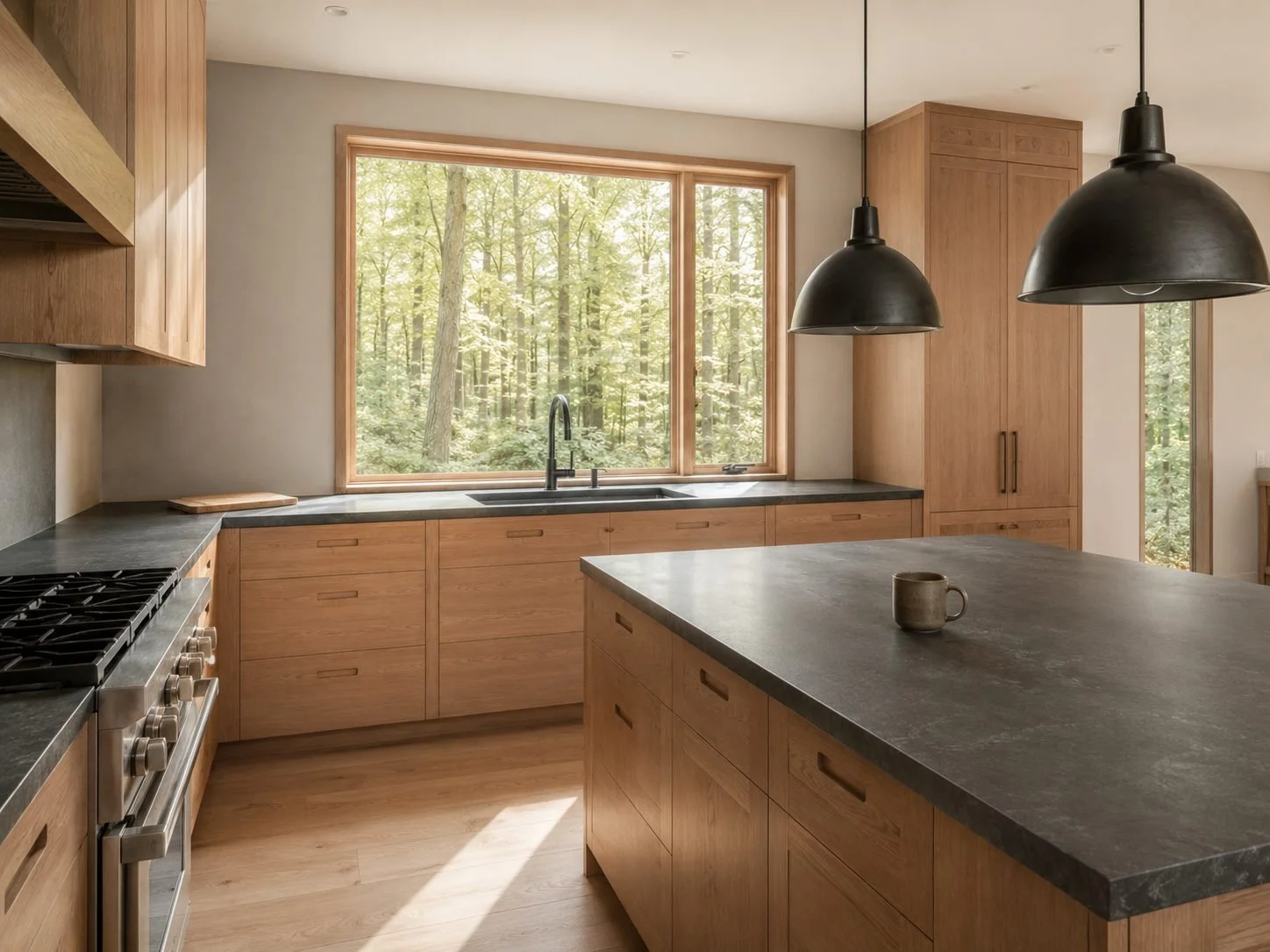
General Contractor vs. Managing Your Own Project
Why It Matters
New York State allows homeowners to act as their own general contractor on projects at their primary residence. Some do it successfully. More find that what looked like a cost savings on paper doesn't survive contact with the actual job.
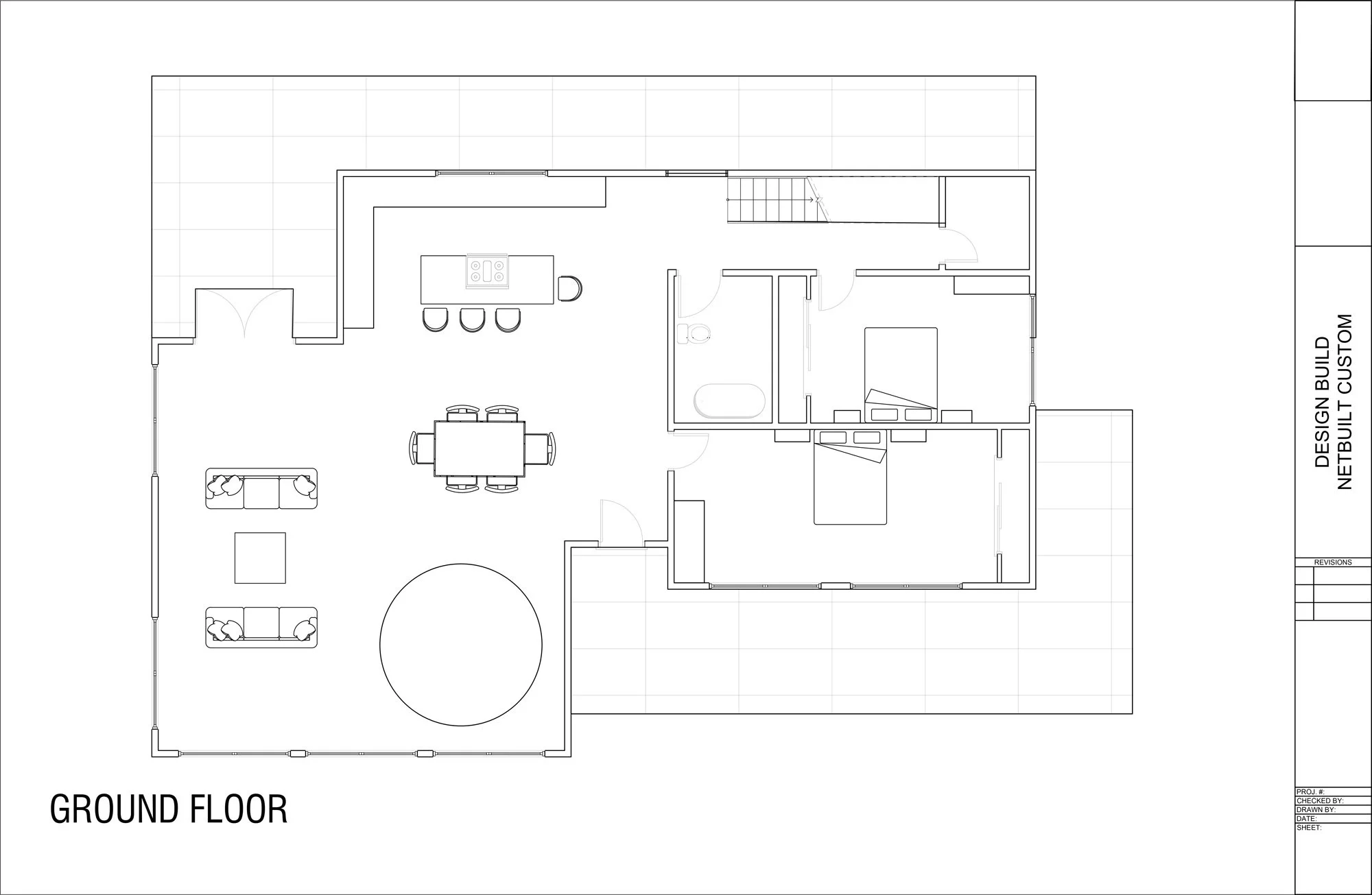
Coordinating licensed trades is a full-time job during active construction. When the plumber is ready to rough-in but the framing isn't right, someone has to make the call on what changes. When an inspection fails, someone has to understand why and what the municipality needs before they'll sign off. When two subcontractors have a billing dispute over who caused a delay, someone has to resolve it. That someone is the general contractor — and without one, it's you.
Beyond coordination, liability matters. When a licensed GC pulls the permits, their license is attached to the work. They're responsible for meeting code and for the quality of what goes in the walls. When homeowners pull their own permits and hire trades directly, that accountability shifts significantly.
What a licensed general contractor provides that self-managing doesn't:
A single party legally responsible for the permitted work
Trade scheduling based on real sequencing knowledge, not optimistic assumptions
Leverage with subcontractors — relationships built over years, not a single project
Permit management handled by someone who knows the local building departments
Field problem-solving before issues become structural or code violations
Construction liability and workers' compensation coverage in place throughout
For most homeowners with a project of any real complexity, the cost of a general contractor is returned in time, stress, and avoided mistakes — often more than once over.
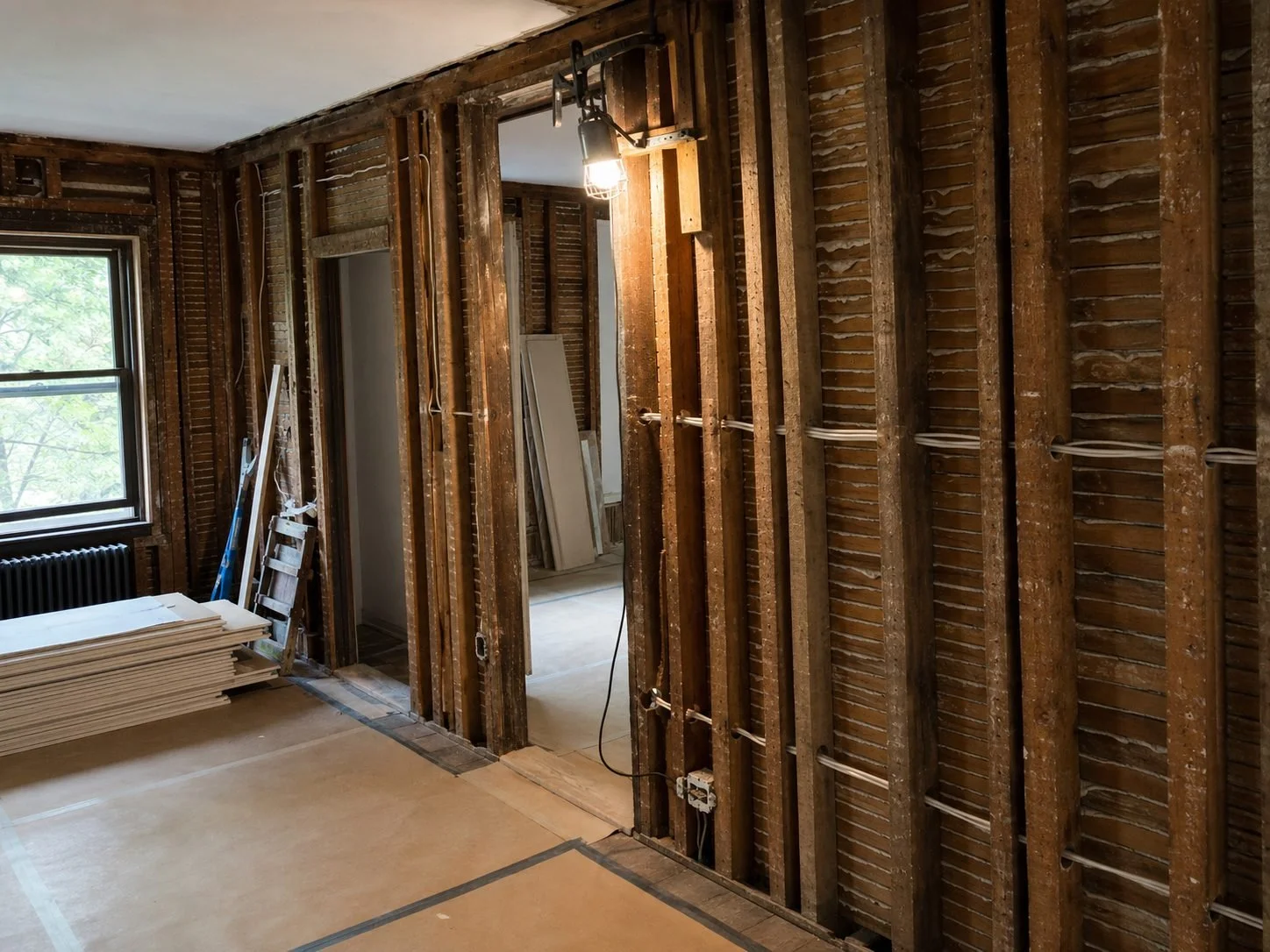
Our General Contracting Process
Discovery
We start by reviewing your project — existing plans or concept, site conditions, scope, budget range, and timeline. If drawings don't exist yet, we can discuss whether design services make sense before GC work begins. We want to understand what's being built and what it will take to build it before any commitment is made.
Pre-Construction Planning
Permits are filed, engineering is coordinated, the trade sequence is mapped out, and the project schedule is set. We resolve as many questions on paper as possible so the build phase isn't interrupted by avoidable decisions and delays.
Construction Management
We manage the build directly — scheduling trades, resolving field conditions, tracking costs, and communicating with you throughout. Site visits happen on a regular schedule. You have a single point of contact for every question that comes up.
Completion + Close-Out
Final inspections are scheduled and managed. Punch list items are resolved. Systems are documented. Certificate of Occupancy is obtained where required. You get the records you need for the house — permits, warranties, drawings, and close-out documentation.

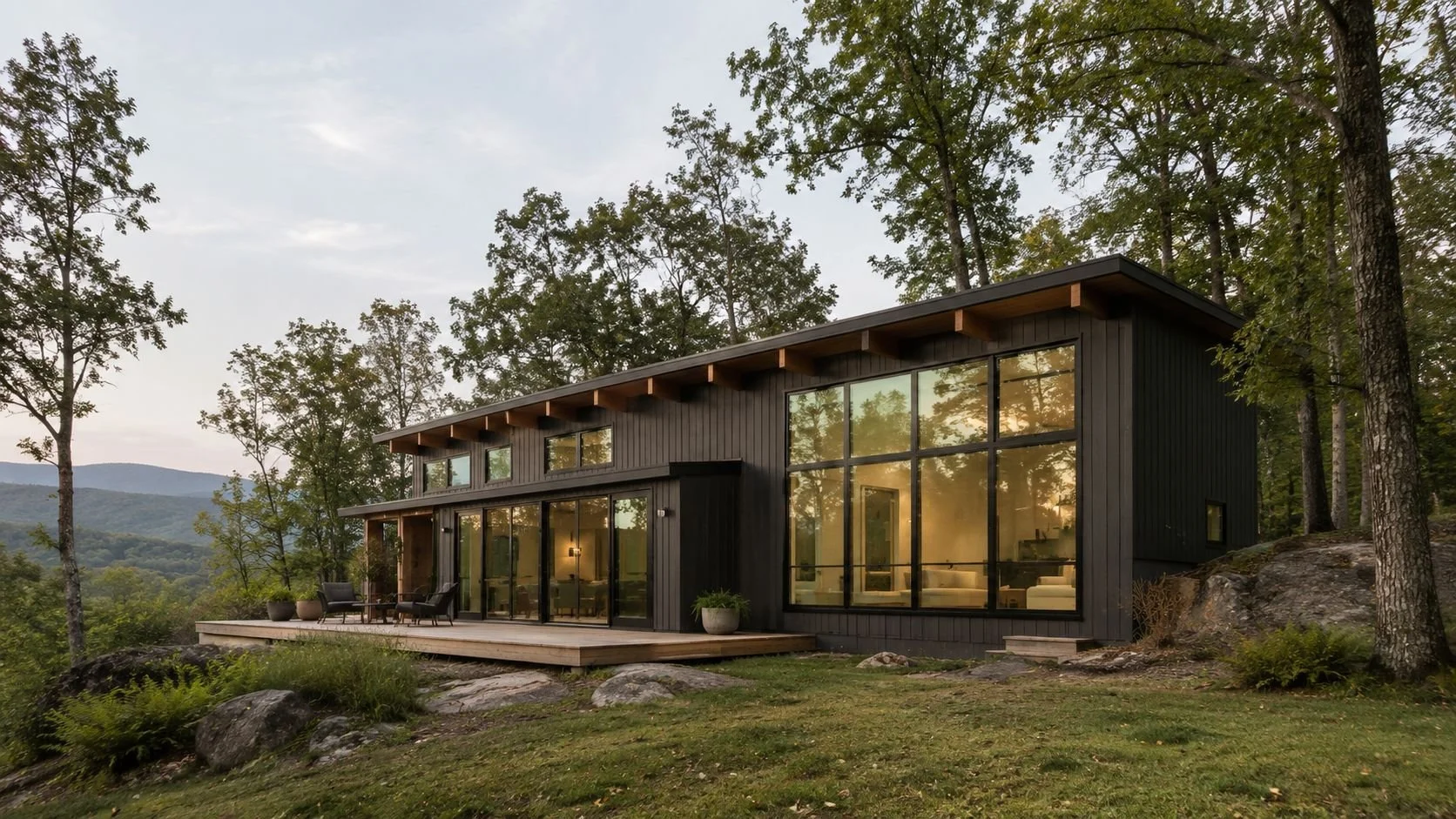
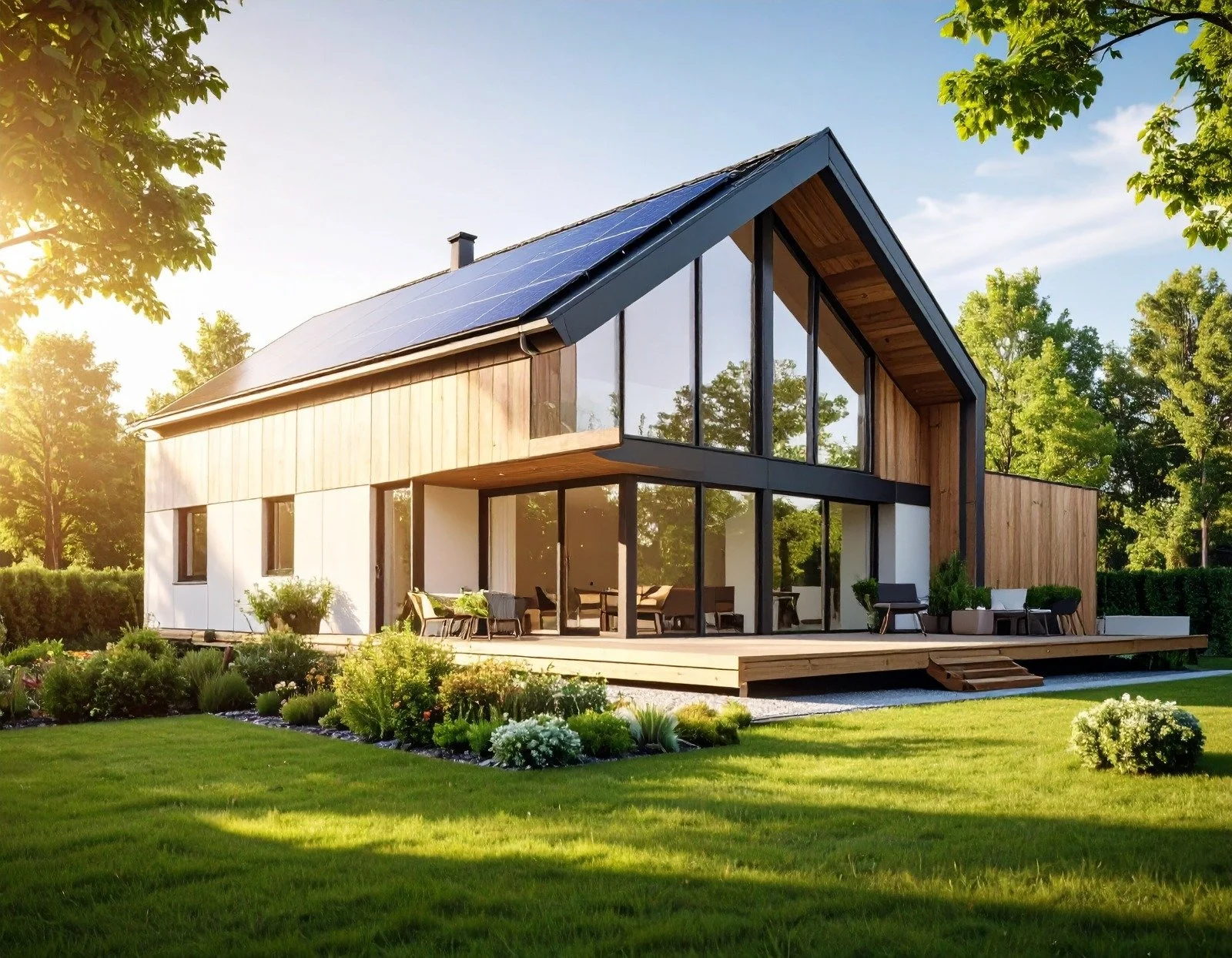
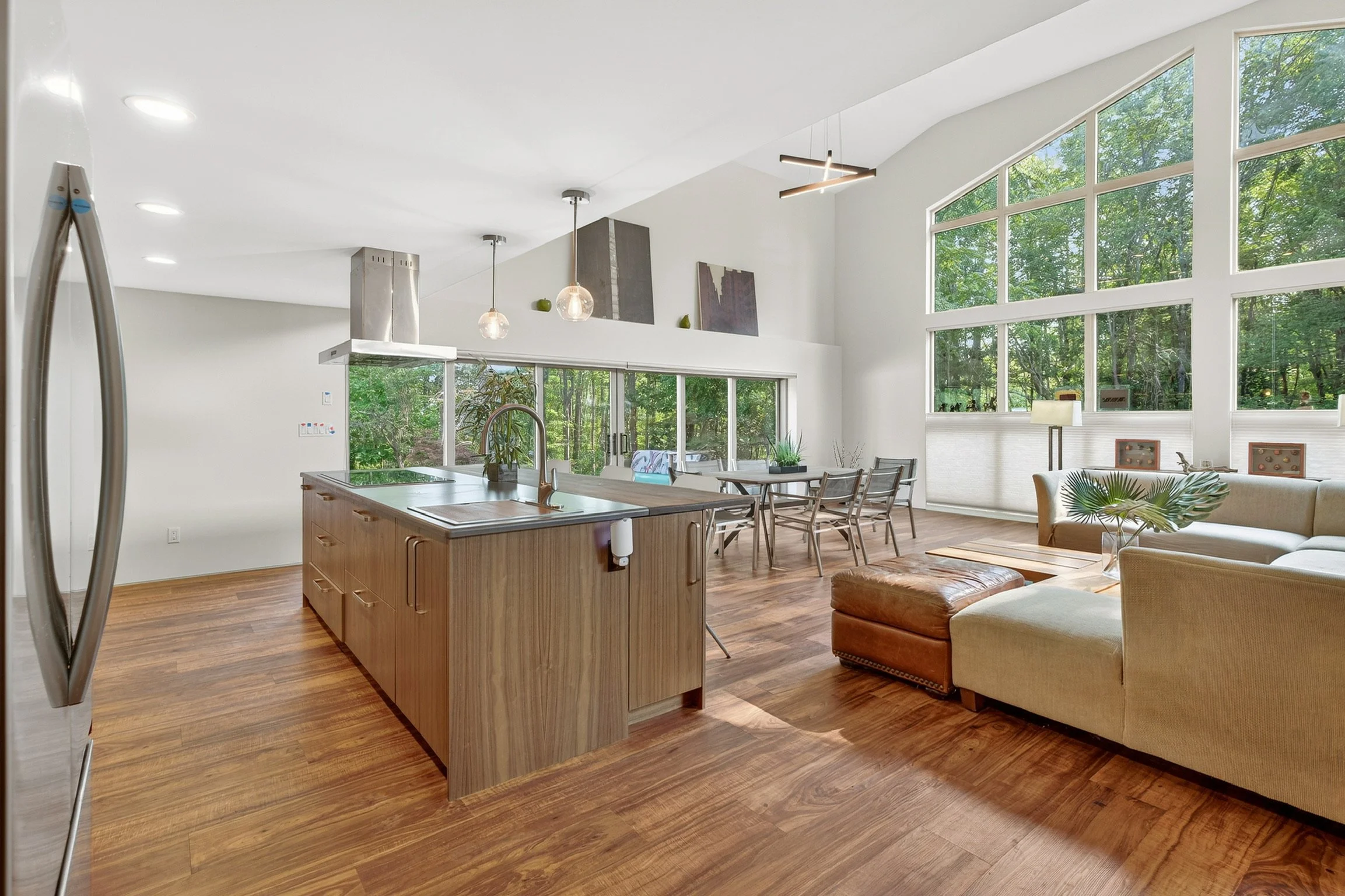
From fully custom new homes to our curated Net-Zero collection of semi-custom, high-performance houses, P.A.S Design Build brings design and construction together as one process for Hudson Valley homeowners. We also take on whole-home renovations and additions with the same design-build discipline, improving comfort, efficiency, and function in the homes people already love. Every project — new build or renovation — is built around durable performance, clear communication, and a home that fits its site and climate.
OUR CONSTRUCTION SERVICES THROUGHOUT
THE HUDSON VALLEY:
NET-ZERO HOMES
ADDITIONS & ADU’S
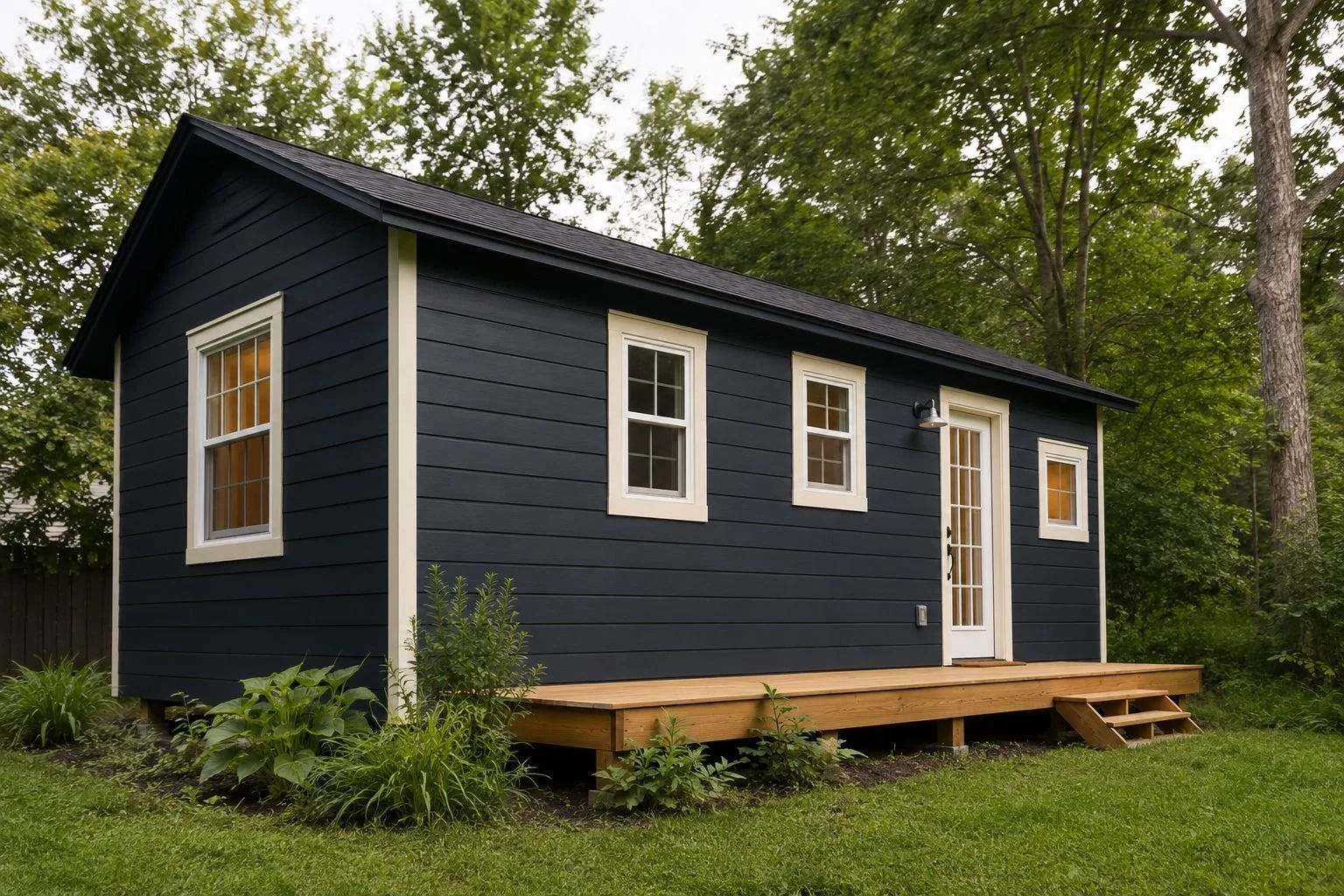
CUSTOM NEW CONSTRUCTION
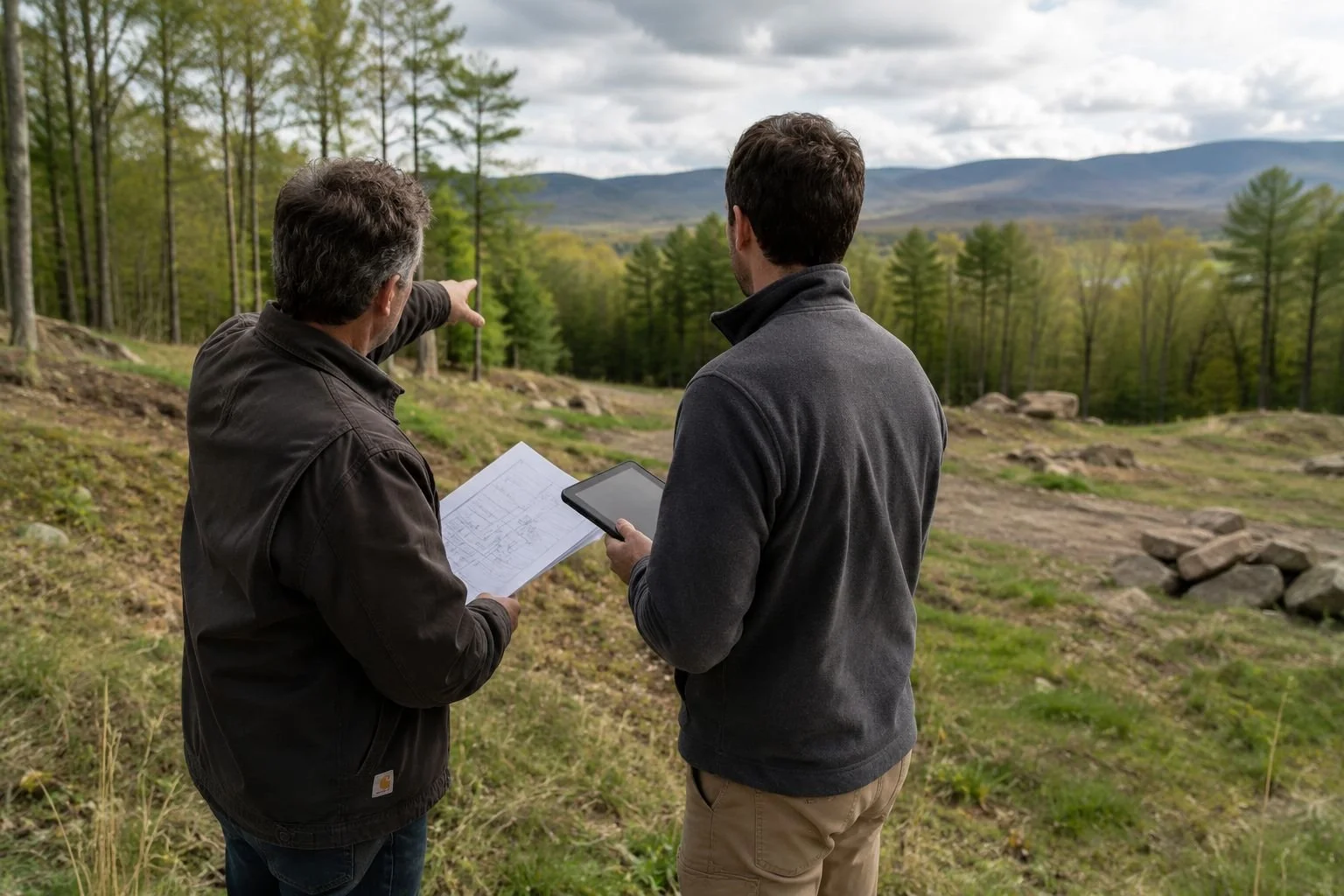
GENERAL CONTRACTING
KITCHEN & BATHROOM
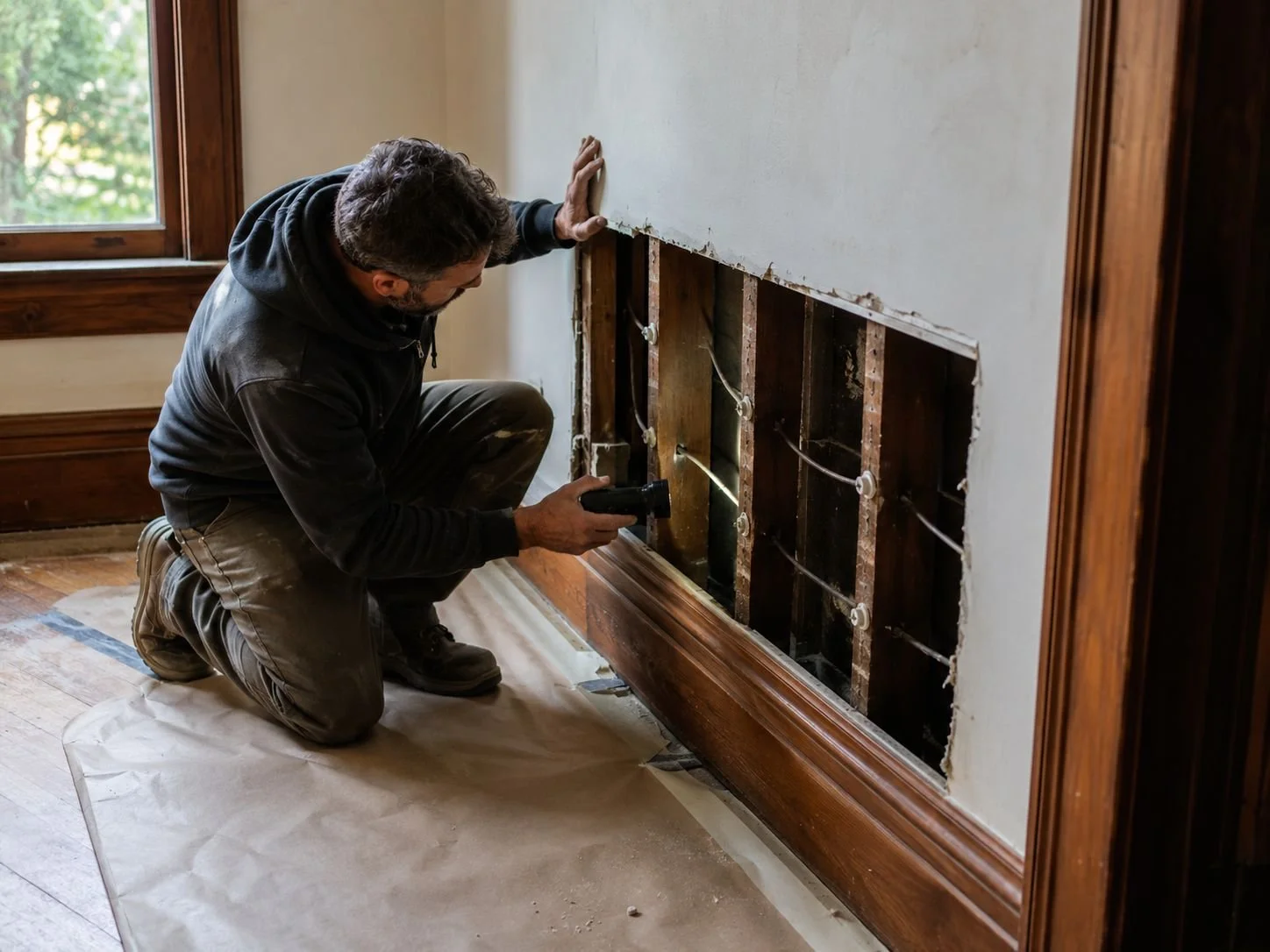
RENOVATIONS & RETROFITS
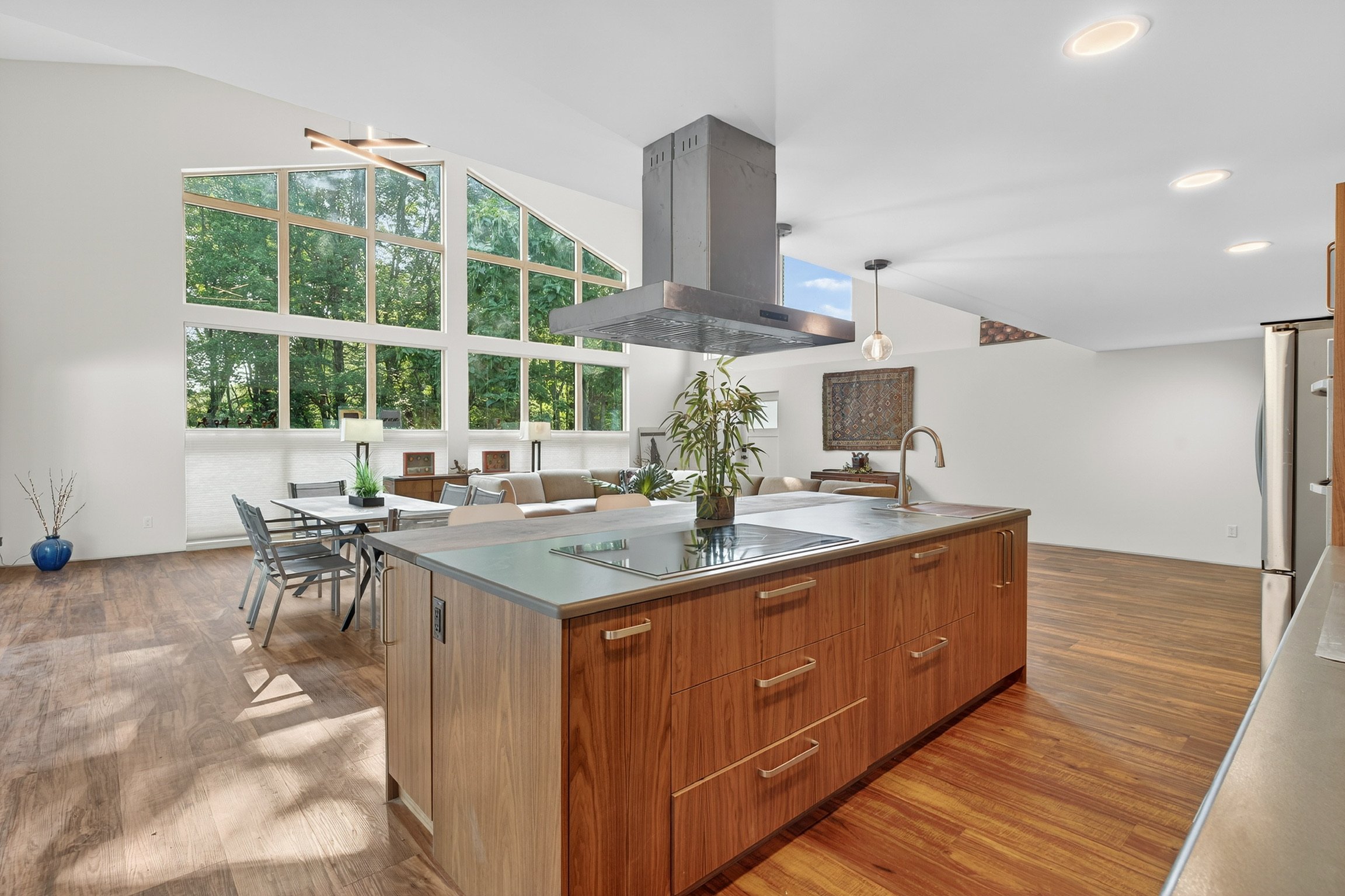
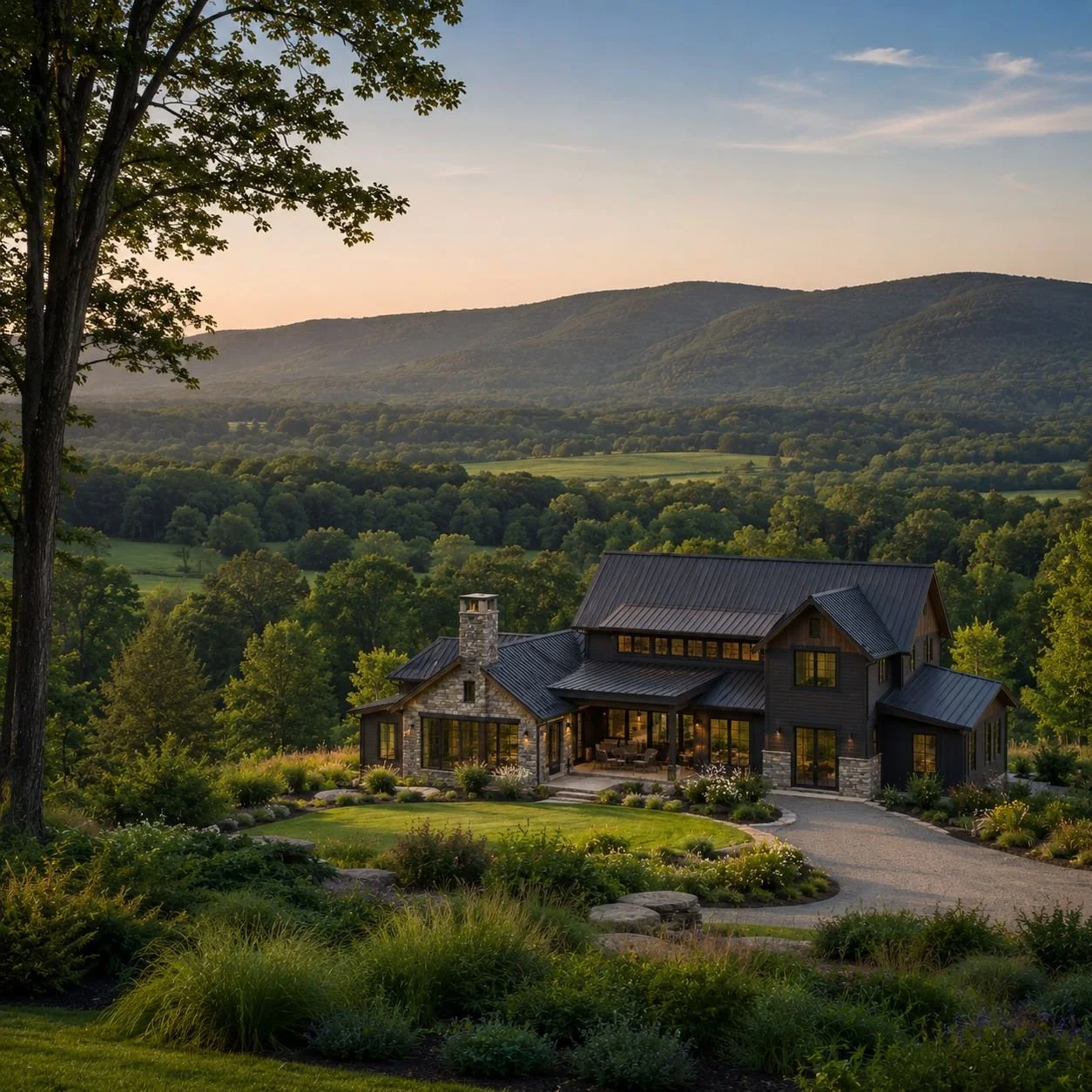
General Contracting Throughout Ulster County & the Hudson Valley
WHERE WE BUILD
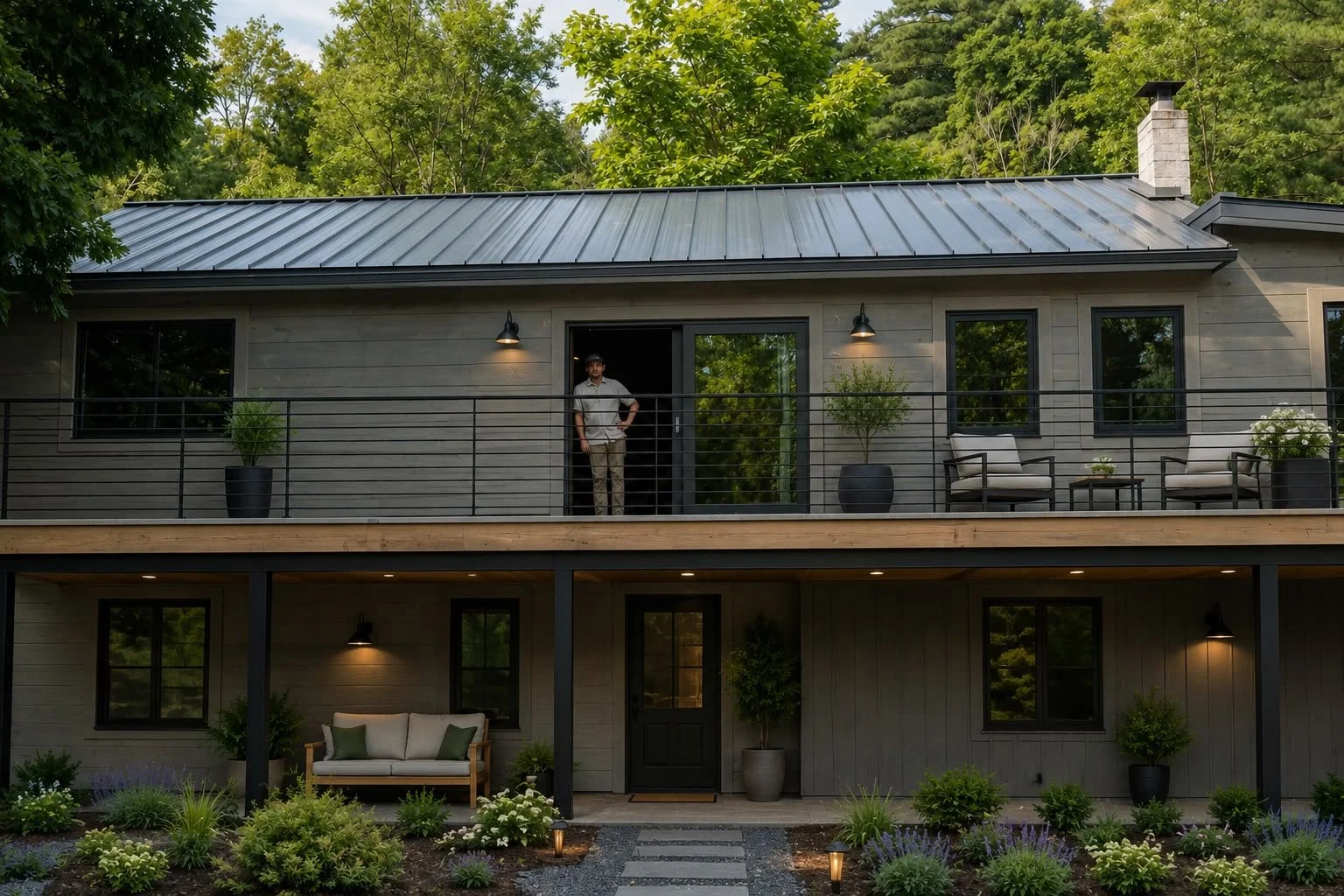
P.A.S Design Build takes on general contracting projects across Ulster County and the broader Hudson Valley. Our familiarity with local permitting jurisdictions, building departments, and site conditions is part of what we bring to every project — not something you have to explain or wait for us to figure out. We've worked on projects in Kingston, Woodstock, New Paltz, Rhinebeck, Kerhonkson, Stone Ridge, Accord, High Falls, Saugerties, Rosendale, and Ellenville. Each has its own building department quirks. We know them.
"Aiden, Patrick and their team were amazing. I have worked with many contractors over 20 years and P.A.S have been the most professional, reliable and respectful company I have dealt with."
— Lynn · Ellenville, NY · 2025Featured Work
Common Questions About General Contracting Projects
Every construction project comes with questions — especially around permits, timelines, budgets, inspections, and who is responsible for keeping the work moving. These FAQs cover the practical details homeowners usually want to understand before hiring a general contractor, so you can move into the process with clear expectations instead of guessing how the build will unfold.
-
New York does not issue a single statewide general contractor license for residential work. Instead, licensing and registration requirements are set at the county or municipal level. In Ulster County and across the Hudson Valley, contractors are required to carry general liability insurance and workers' compensation coverage, and many municipalities require proof of insurance before issuing a permit. Some counties — including Westchester — have their own home improvement contractor licensing requirements. When you hire P.A.S, we carry the required insurance and registrations and can provide documentation before any project starts.
-
At minimum, a general contractor working in New York should carry general liability insurance — typically $1 million per occurrence — and workers' compensation insurance covering any employees on site. If subcontractors are involved, a responsible GC verifies that their subs are also properly covered. Under state law, any contractor with employees in New York is required to carry both workers' comp and disability benefits insurance. We carry both and require the same of our subcontractors.
-
Ulster County has 25 separate municipal building departments, each operating independently with its own permit application process, fee schedule, and inspection protocols. As the general contractor, P.A.S pulls all required permits in the appropriate jurisdiction, manages the submission process, schedules required inspections, and responds to any requests from the building department. You don't need to navigate that process — it's part of what we handle.
-
When P.A.S is serving as general contractor, we are responsible for the work performed by every subcontractor on the project. If a trade's rough-in fails inspection or doesn't meet the standard we've set, we address it — at their cost if it's their error, at our direction if it's a field condition we missed. That accountability is one of the primary reasons to hire a GC rather than managing trades independently.
-
In some cases, yes — but with caveats. Homeowner-supplied materials can create liability gaps when something fails. If a homeowner-supplied fixture leaks and causes damage, the question of who is responsible becomes complicated. We'll discuss this early and be clear about what we will and won't install without a manufacturer's warranty chain we can stand behind. Generally, we're more flexible on finish items like tile, hardware, and light fixtures than on structural materials or mechanical equipment.
-
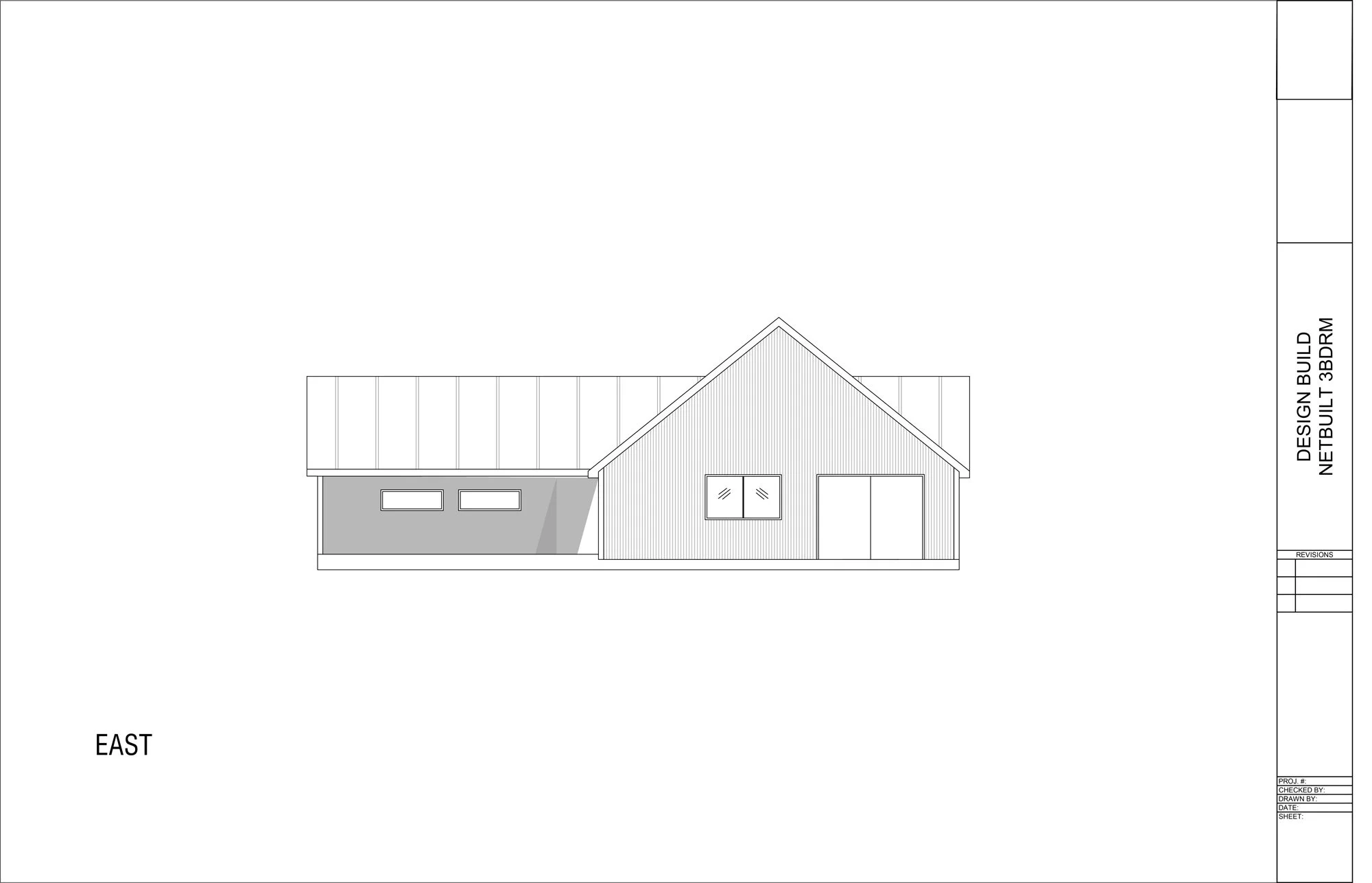
When we serve as general contractor, we're managing construction on a project that either has existing plans or a defined scope — our role is building and coordinating, not designing. In a design-build project, we handle both: we develop the architecture, engineering, and construction documents, then build from them with the same team. If you have plans already drawn by an architect, we can serve as GC. If you're starting without plans, a design-build engagement is usually the better path — it avoids the handoff gap between designer and builder that causes most of the problems in residential construction.
Getting Started
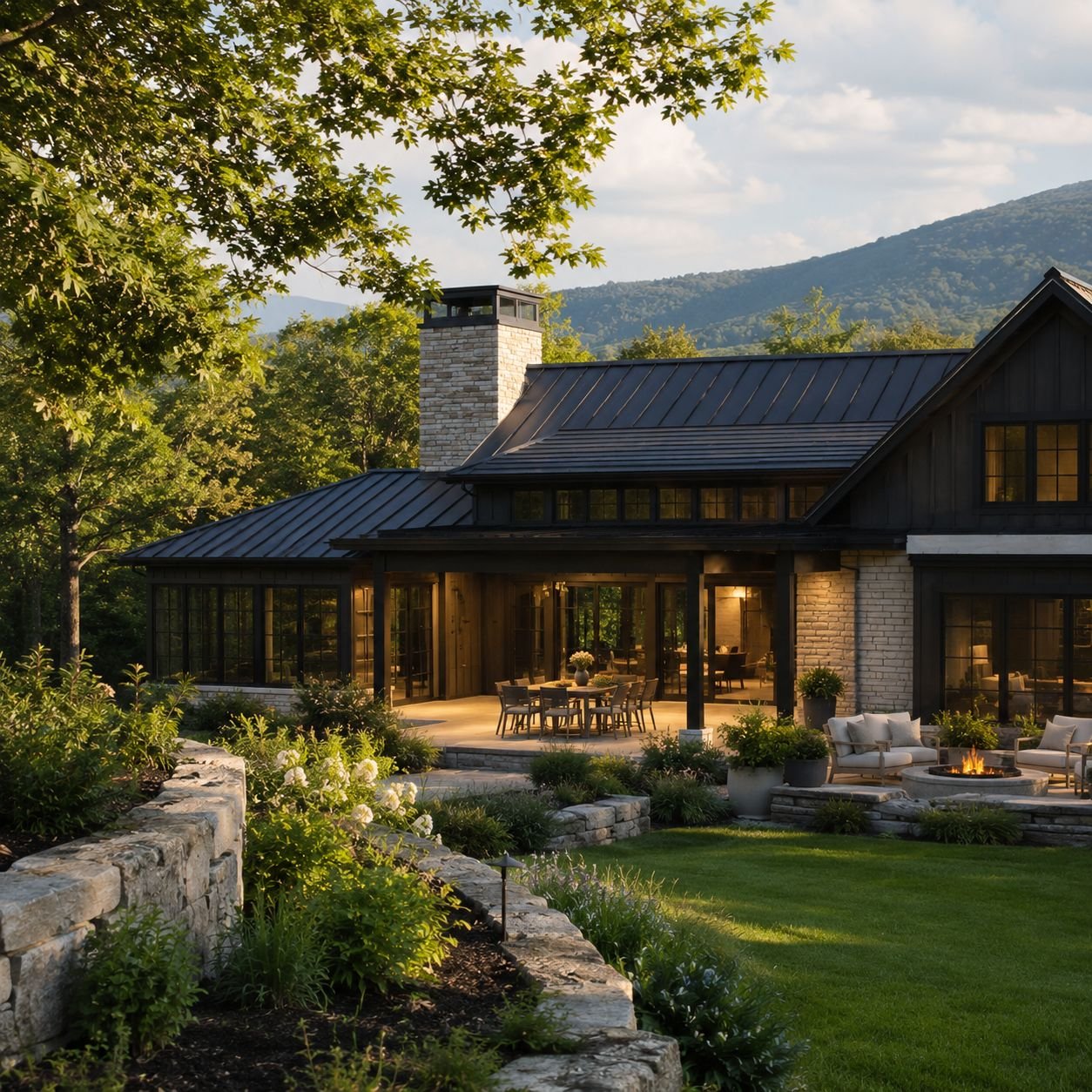
If you have a project in Ulster County or the Hudson Valley — a renovation, an addition, or new construction — and you need a general contractor who will manage it properly from permits through punch list, reach out and tell us what you're working on.
Please fill out the form below or contact us at 845-532-3174 for an initial consultation. If we feel like a good fit for each other, we can schedule a site visit with you to go over the scope of work.