We hear this one at the kitchen table a lot. Somebody's got land picked out off Route 209, they've been reading at night, and now there are five labels swimming around and no clue which one goes in the contract. Fair enough. Here's how we'd sort it. Net-zero is a yearly tally, energy made against energy used. Net-zero-ready is a house that's close enough that panels on the roof would close the gap. Passive House? That one's about the shell. It tries to get the heating load down to almost nothing. Then DOE Efficient New Homes, ENERGY STAR and HERS. Think of those as somebody from outside the job checking our homework.
Key Takeaways
Net-zero and net-zero-ready, both of them, come down to the year’s balance sheet. Passive House is about how little the house asks for to begin with.
Don’t skip this. Under New York’s 2025 code, a new house in Ulster County already has to test at 2.5 ACH50 or tighter, and it needs heat- or energy-recovery ventilation. Buyers are usually surprised.
If you see “Zero Energy Ready Home,” DOE renamed it in 2025. It’s DOE Efficient New Homes now.
HERS 0? The house makes what it uses. Lower numbers beat higher ones.
Whatever’s on the brochure, find out who tests the house and when.
The labels in one sentence each
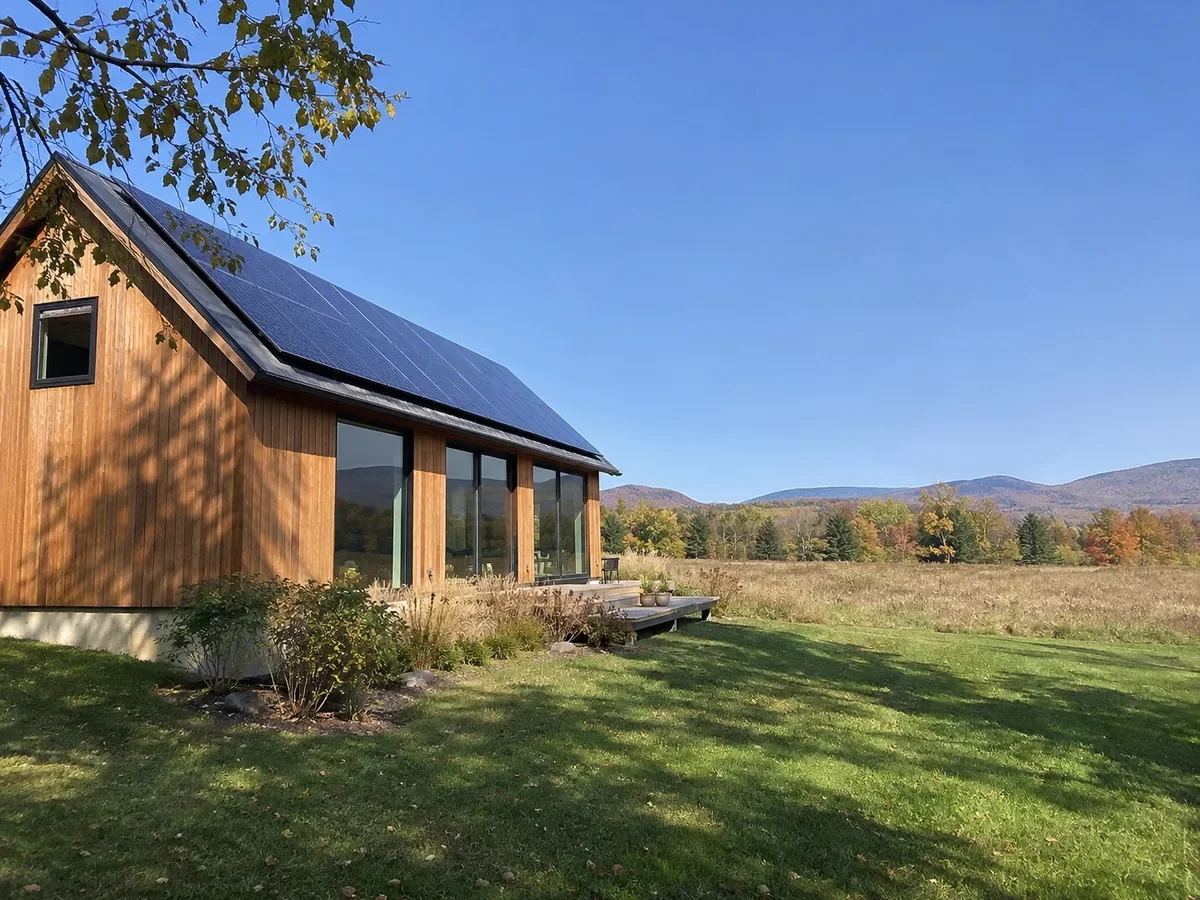
Net-zero energy is simple enough: by the end of twelve months the meter has basically broken even, and solar is nearly always the reason. Net-zero-ready is the house that's one roof of panels short of that. Passive House is the strict one. Tiny heating and cooling demand, crazy-tight air sealing, balanced fresh air. Over here Phius certifies it, and the Passive House Institute (PHI) does it internationally.
The rest are verification programs. DOE Efficient New Homes is a voluntary federal program for very efficient, renewables-ready houses, and plenty of folks still call it Zero Energy Ready Home. An ENERGY STAR certified new home beats code and gets signed off by someone independent. With the HERS Index, your rater measures the house against a reference home and gives you a score. You want it low.
How they compare
| Label | Looks at | Checked by | For you |
|---|---|---|---|
| Net-zero | Did the year come out even? | The model up front, your utility bills after; Phius ZERO if you want paper on it | Bills that wash out to about nothing |
| Net-zero-ready | Efficiency, solar penciled in | Usually only the builder's word, unless there's a program | Panels away from net-zero |
| Passive House (Phius or PHI) | How much heat it needs, how leaky it is, total use | A certified consultant plus a rater | Rooms that stay put temperature-wise, and quiet |
| DOE Efficient New Homes | A long whole-house checklist | A rater from outside | Recognized, and close to net-zero-ready |
| ENERGY STAR | Beating code, and the checklists | Outside rater again | A bit better than the legal minimum |
| HERS Index | Modeled use against the reference house | A certified HERS rater | Handy if you're comparing two listings |
The baseline: what New York already requires
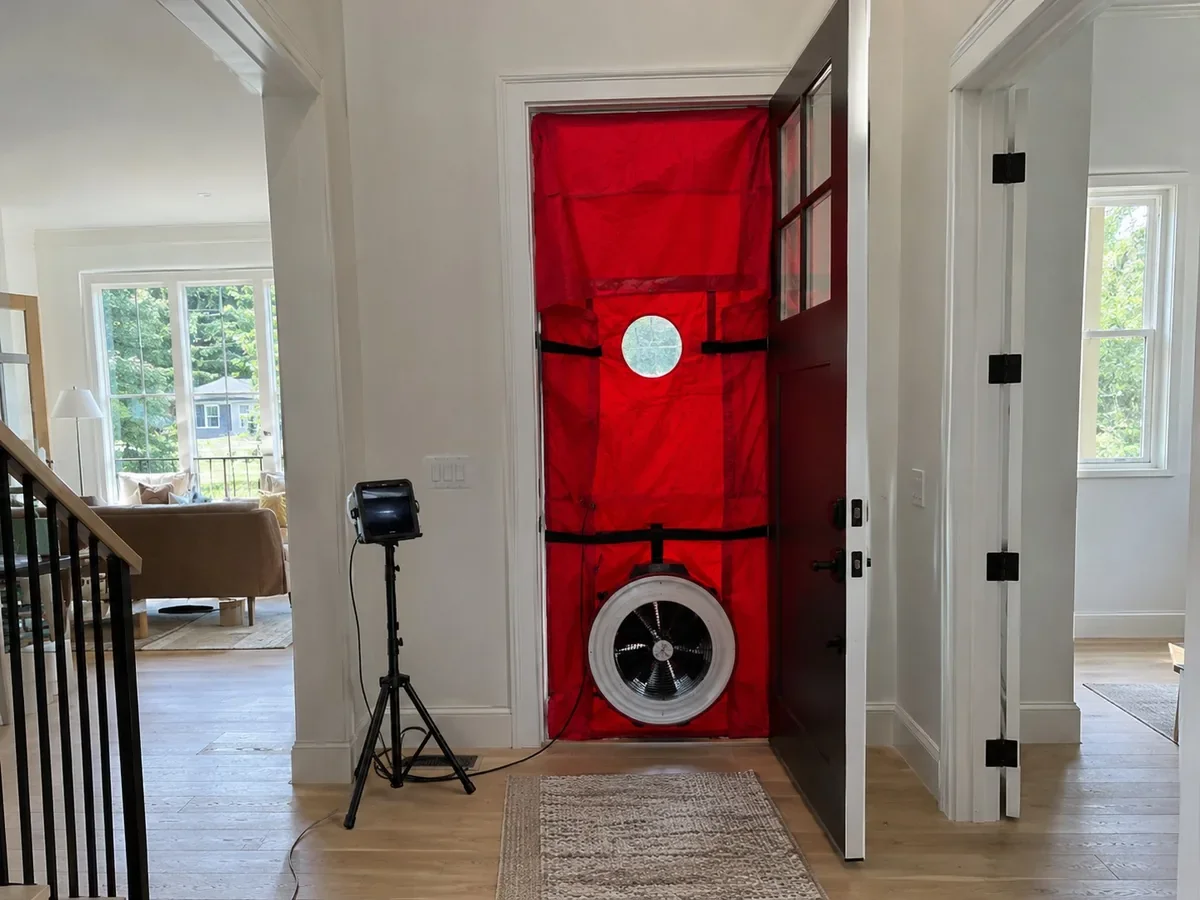
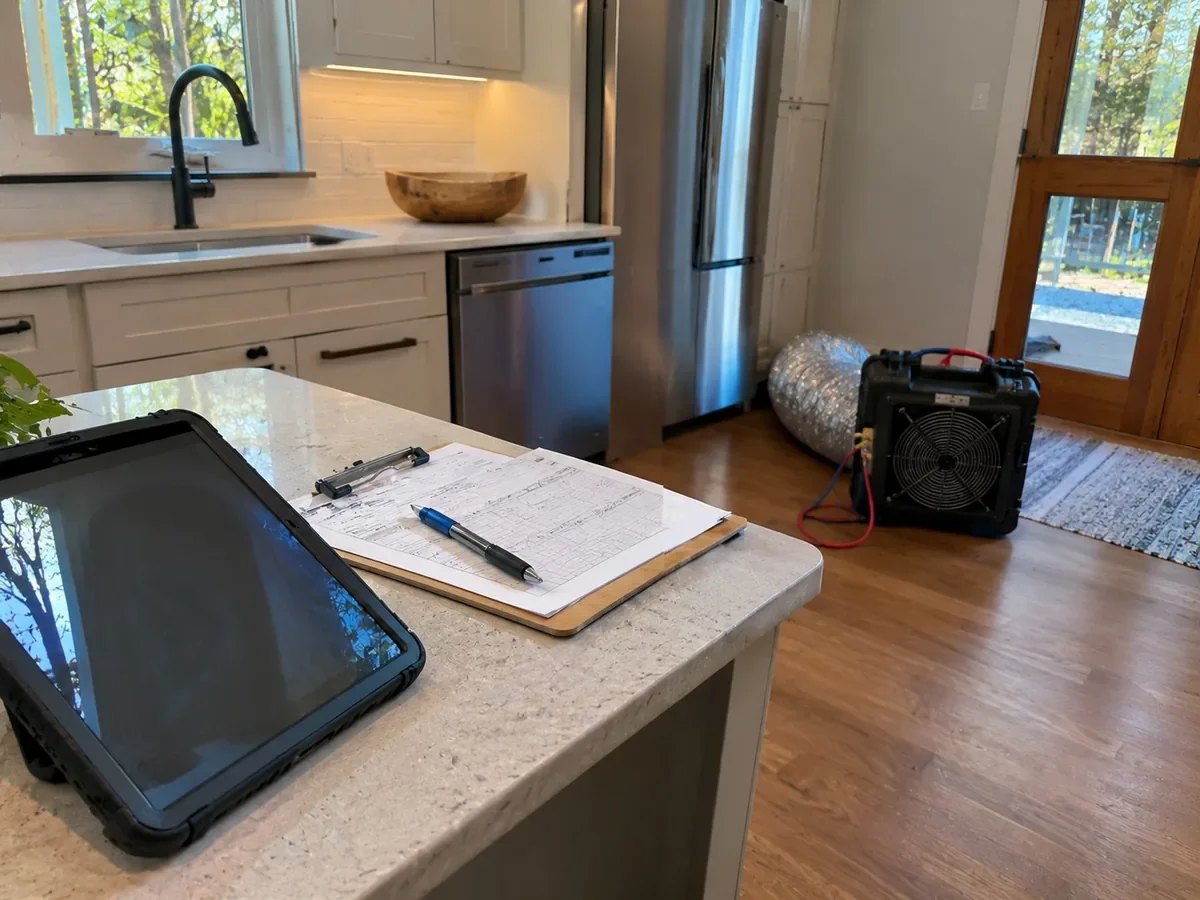
So, the floor. We build in Climate Zone 6. Since New York's 2025 energy code, every new house up here gets a blower door hooked to the front entry, and it has to read 2.5 ACH50 or better. Mechanical ventilation isn't optional either, and in Zone 6 it has to be balanced heat or energy recovery at 65 percent sensible recovery efficiency or higher.
Most national write-ups miss that. Ten years ago half of that would have earned a "green" sticker. Now the inspector just expects it. So we usually ask clients two things: how far past the floor do you want to go, and how are we going to prove it?
Passive House: Phius and PHI
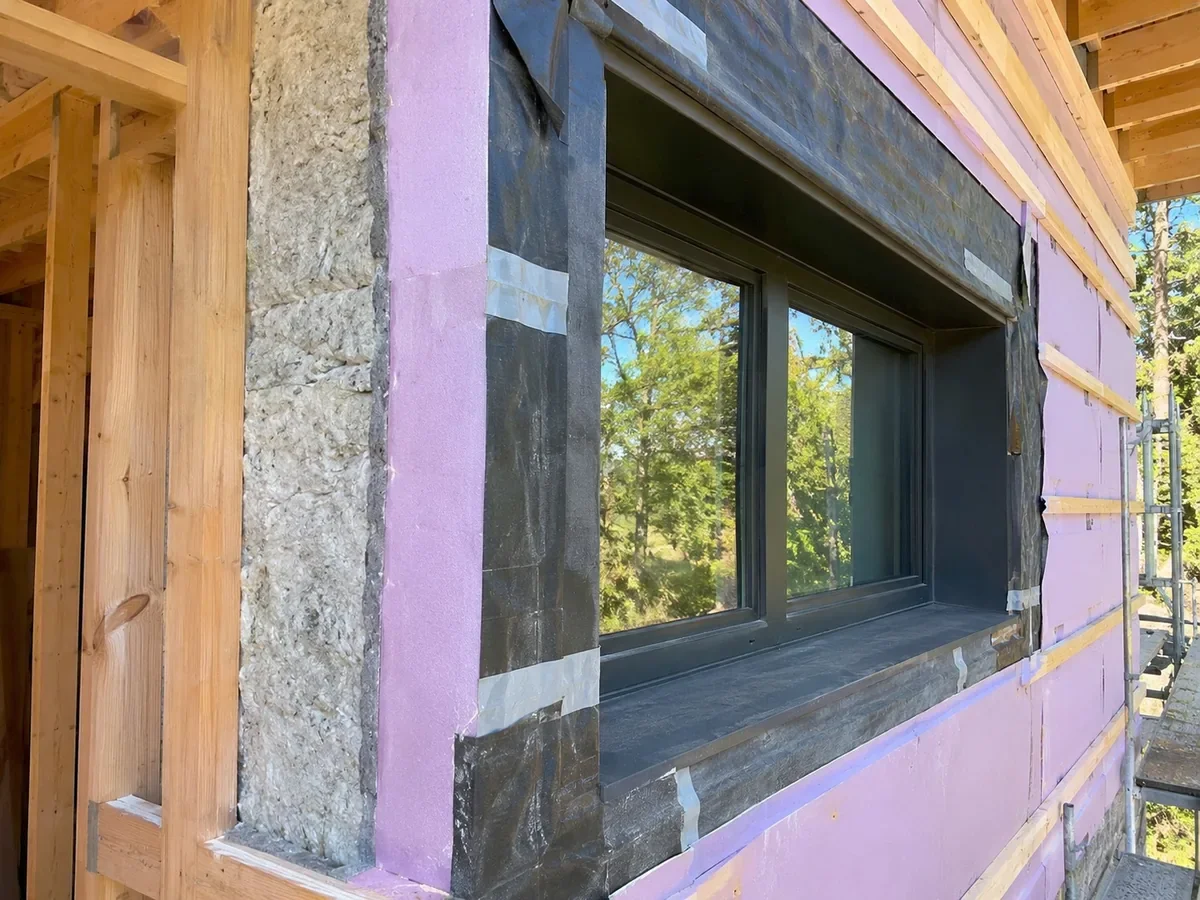
Honestly, it's the toughest of the bunch. Nobody gets to talk heat pumps or panels yet. The shell goes first. So: thick insulation, no gaps. Really good windows. Obsessive detailing anywhere heat could sneak out. Very tight air sealing, and balanced ventilation that hangs on to the heat.
Two groups certify. Germany's Passive House Institute holds new buildings to 0.6 air changes per hour at 50 pascals. Phius, here in the States, tunes its targets to the climate. You start at Phius CORE, and Phius ZERO adds the catch that renewables cover the home's energy use. Do either one well and the house coasts through a cold February week on very little heat.
DOE Efficient New Homes
Until 2025 you'd have known it as Zero Energy Ready Home. New name, same idea. There's a whole-house list (envelope, mechanicals, ventilation, things that prep for solar) and a third-party rater checks it. You'll still find "ZERH" all over the web. Same thing.
Heads up on money. The federal 45L credit tied to the program isn't there for homes acquired after June 30, 2026. We'd think of it as a yardstick for performance now, not a tax angle.
HERS scores and ENERGY STAR
A HERS rater scores the house. 100 is the reference home. Go down and you're more efficient. At 0 the house is making what it burns, so net-zero homes sit right around there. We like it most when someone's shopping a house another builder put up, since you can line two numbers up side by side.
With ENERGY STAR you're past code, and a third-party rater walks the job with detailed checklists. Given how strict New York already is, that still counts for something, but it's a lower bar than net-zero-ready or Passive House.
Which target fits your home?
Out here the real question tends to be how far past code makes sense for you. Our take: net-zero-ready is a great target that's very doable. Tight, well insulated, all-electric, solar planned from day one, and a blower-door number to back it up. Passive House? Worth it if comfort, quiet and the lowest heating demand you can get are top of your list, and more design time and fussier detailing don't scare you.
No matter the label, same question. Who tests it, and when? Ask for the specs behind the label and for test numbers at the end. P.A.S Design Build's NetBuilt homes are our own net-zero line, if you want to see one.
FAQ
-
Nope. One’s about the yearly tally with your panels, the other’s about needing hardly anything at all. A house can do both, and that’s what Phius ZERO certifies.
-
No, it’s your call. Good specs and actual testing count for more. A certificate just adds an outside check and a name people know.
-
Low. Code-built houses already land well under the reference home’s 100, really efficient ones go further, and net-zero is at or close to 0.
-
Not really. Anyone can put it on a flyer. Ask what’s behind it, and ask to see the test numbers at the end.
Not sure which performance target fits your home? Ask us: request a consultation or call (845) 532-3174.